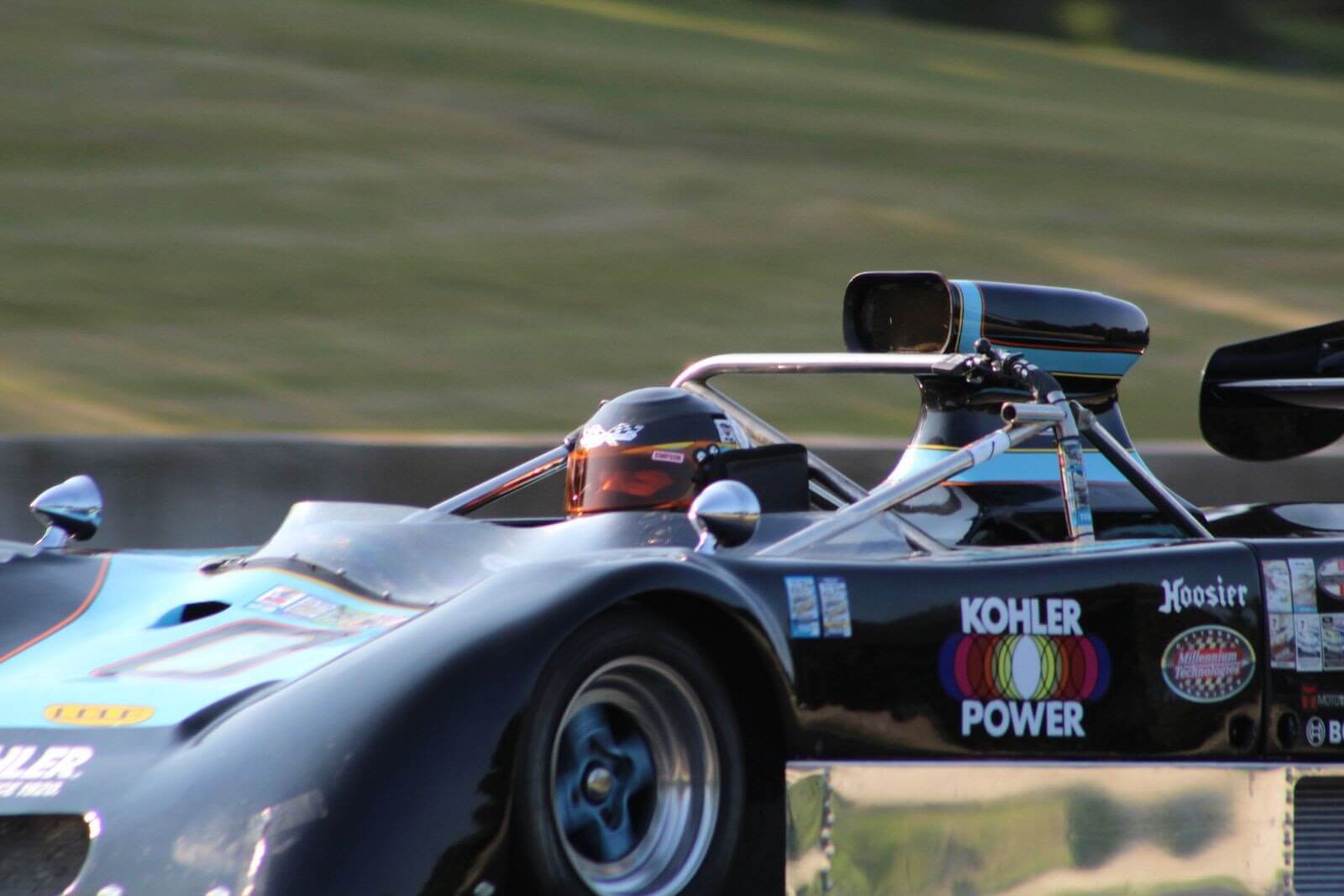
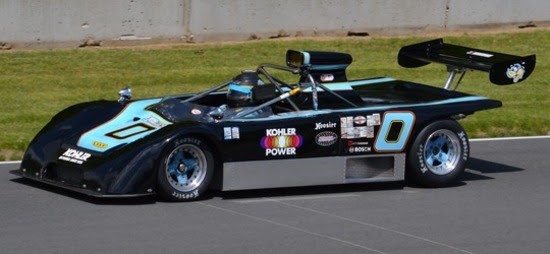
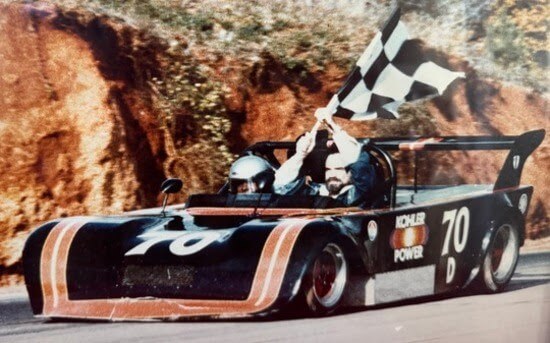
The roar of engines and the blur of speed define the spirit of racing. One image captures that excitement perfectly—a sleek race car tearing down the track, driven by a helmeted racer focused on the challenge ahead.
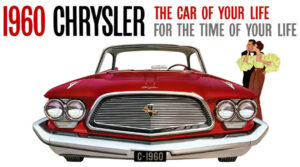
Racing has always been about pushing limits, and vintage cars hold a special place in this legacy. Take the 1960 Dodge Dart Phoenix Convertible, a bold design that marked a turning point for Dodge. Its sleek lines and powerful presence won over enthusiasts, cementing its status as a classic.
The automotive world also intersects with unexpected creativity. Amaury Guichon, a master pastry chef and car lover, spent seven days sculpting 130 pounds of dark chocolate into a half-scale Ferrari Formula 1 race car—the largest chocolate car on record. He melted chocolate to bond the pieces, shaping tires and taillights with precision, then painted it red and black with white highlights. Packed with 322,440 calories, it was a hit with the public!
Steve McQueen, the King of Cool, added his own chapter to racing lore with his 1970 Porsche 917 (Chassis #022) from the film Le Mans. This iconic car nearly fetched a record-breaking bid, reflecting its cinematic and historical value. Filming Le Mans was a struggle for McQueen—production woes and nearly losing his role tested his resolve. Yet, the movie became a cult classic, revered as a Hollywood masterpiece.
Another racing icon is the 1943 German Type 82 VW Kubel Wagen, known as the “bucket car.” Designed by Ferdinand Porsche, it served as Germany’s answer to the Jeep during World War II, with 50,788 units built for diverse terrains. Restored to pristine condition, it starred alongside McQueen in The Great Escape, widely considered his finest film.
From chocolate creations to cinematic classics, racing fuels passion and innovation. If this thrill of the track excites you, subscribe to our newsletter, The Steering Column, for more stories of automotive adventure!